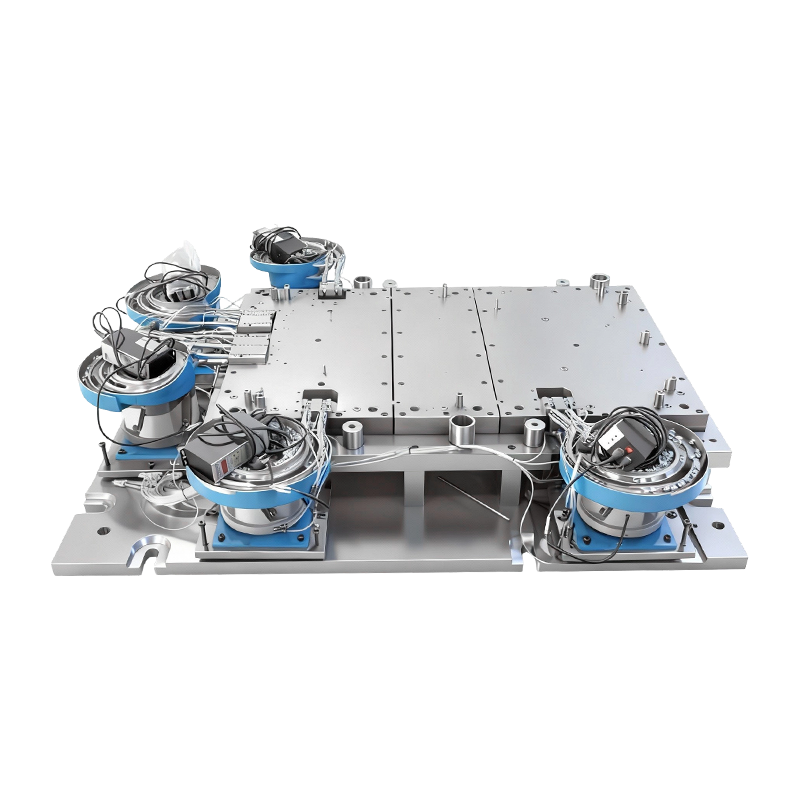
Memahami Bahagian Setem Elektronik dan Peranannya dalam Elektronik Moden Bahagian pengecap elektronik ialah komponen logam ketepatan yang dihasilkan melalui proses peng...
READ MORE
Lukisan Dalam Automotif dan Kenderaan Elektrik Mati
Kategori Produk
Lukisan Dalam Automotif dan Kenderaan Elektrik Mati Pengilang
-
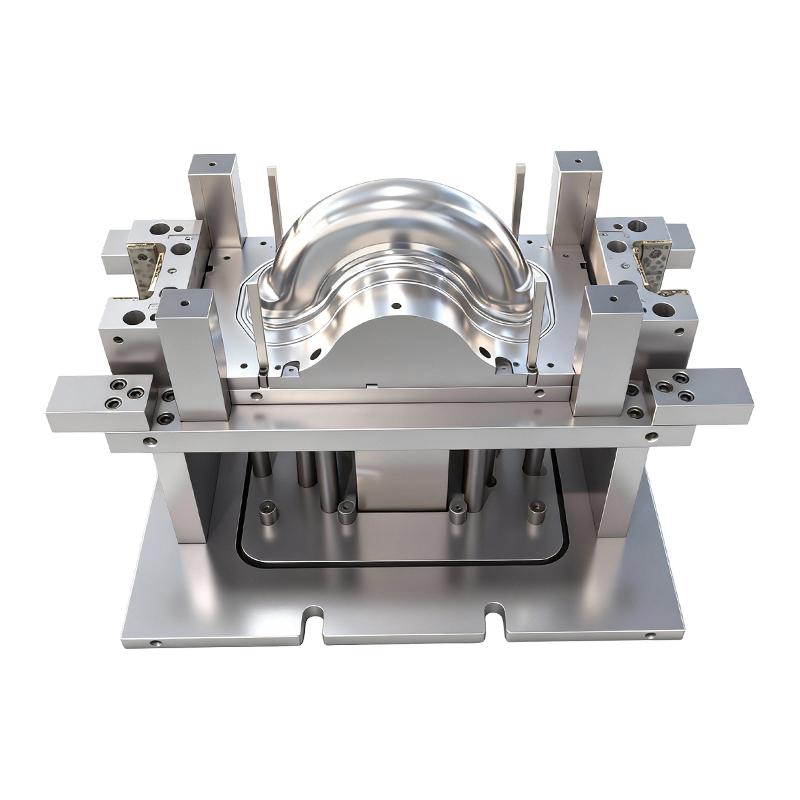 Acuan lukisan dalam untuk roda hadapan dan belakang kenderaan elektrik beroda dua
Acuan lukisan dalam untuk roda hadapan dan belakang kenderaan elektrik beroda dua adalah alat khu
-
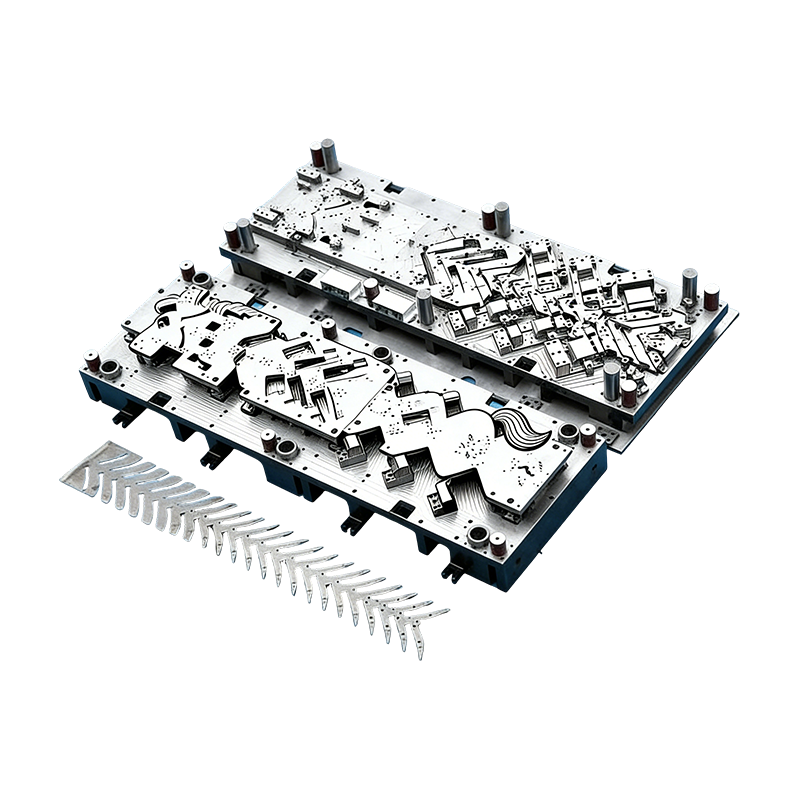 Acuan progresif untuk bahagian automotif
Acuan Berterusan untuk perumahan motor automotif ini direka bentuk khusus untuk pengeluaran volum
Dies Lukisan Dalam Kenderaan Automotif dan Elektrik ialah peralatan teras untuk membentuk komponen kepingan logam dalam pembuatan automotif dan kenderaan elektrik (EV), membolehkan pembentukan bahagian berongga, berbentuk kompleks melalui ubah bentuk plastik terkawal. Terdiri daripada komponen utama seperti penebuk, dadu, pemegang kosong dan set dadu, ia direka bentuk untuk memadankan kedua-dua jentera pengeluaran dan sifat bahan.
Dalam kereta tradisional, acuan ini digunakan secara meluas untuk panel badan (cth., panel luar pintu, tudung) dan bahagian struktur, yang memerlukan kawalan toleransi ketepatan (biasanya ±0.02mm) dan ketahanan terhadap kehausan bahan. Untuk EV, ia dikhususkan untuk komponen ringan seperti sarung bateri aloi magnesium-aluminium, dengan reka bentuk yang dioptimumkan untuk mengendalikan nisbah lukisan dalam melebihi 2.5:1 dan meminimumkan penipisan bahan.
Fokus reka bentuk utama termasuk daya pemegang kosong boleh laras untuk mengelakkan kedutan atau keretakan, rawatan permukaan ultra licin (Ra ≤ 0.05μm) untuk mengurangkan geseran, dan struktur modular untuk kecekapan kos. Disepadukan dengan teknologi simulasi dan pemantauan pintar, mereka memastikan pengeluaran besar-besaran yang stabil sambil menyesuaikan diri dengan peralihan industri ke arah pemberat ringan dan kekuatan tinggi.
Tentang
Siapa kita
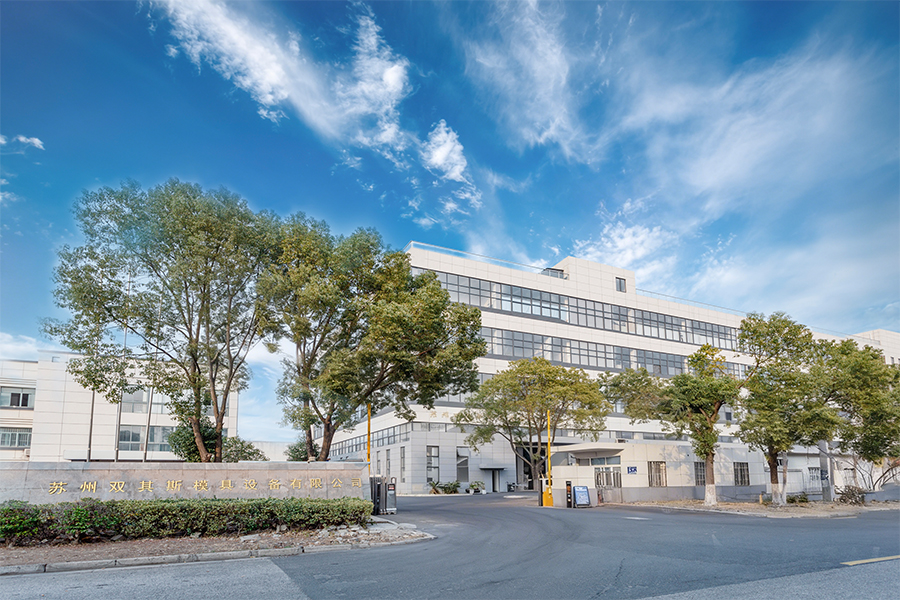
Suzhou Shuangqisi Mould Equipment Co., Ltd. ,terletak di No. 118 Yexin Road, Daerah Wujiang, Suzhou City, mempunyai 60 kakitangan teknikal. Melalui usaha bersama dan pembangunan berterusan semua pekerja, syarikat itu telah menjadi pengeluar profesional cetakan cetakan dan bahagian perkakasan, dan menawarkan produk berkualiti tinggi pada harga yang kompetitif, menyepadukan reka bentuk, pembuatan dan perkhidmatan. Syarikat itu memiliki mesin pemotong wayar yang diimport, pusat pemesinan CNC, lebih 10 mesin pengisar pelbagai saiz, dan 25 penekan tebuk (80T-400T), antara alatan mesin ketepatan termaju yang lain. Ia juga telah melatih ramai pengendali kanan dan kakitangan penyahpepijatan yang berpengalaman, membolehkannya memenuhi keperluan pelanggan yang pelbagai. Pada masa ini, pelanggan utama syarikat termasuk Anter Group, Ousheng Electric, Dongbei Group, dan Huichuan Technology, terutamanya membekalkan acuan dan produk untuk pemacu servo, pemampat dan kenderaan tenaga baharu. Tahap teknikal syarikat adalah antara yang terkemuka dalam industri, dengan pasukan berpengalaman yang berdedikasi untuk kemajuan teknologi. Syarikat memberi tumpuan kepada mencipta nilai untuk pelanggannya dan mematuhi pembangunan berkualiti tinggi. Dengan pengalaman selama 15 tahun dalam industri acuan, syarikat itu telah mengumpul sejumlah besar bakat teknikal. Seawal 2016, ia melabur dan menubuhkan Suzhou Keshuang Intelligent Technology Co., Ltd., yang kebanyakannya menghasilkan peralatan automasi pengecap. Dengan pengalaman bertahun-tahun, ia boleh menyediakan pelanggan dengan projek turnkey untuk acuan setem dan automasi setem. Syarikat juga boleh melabur dalam peralatan pengeluaran yang berkaitan mengikut keperluan pelanggan untuk mencipta produk dan perkhidmatan yang kos efektif untuk pelanggan.
Maklum Balas Mesej
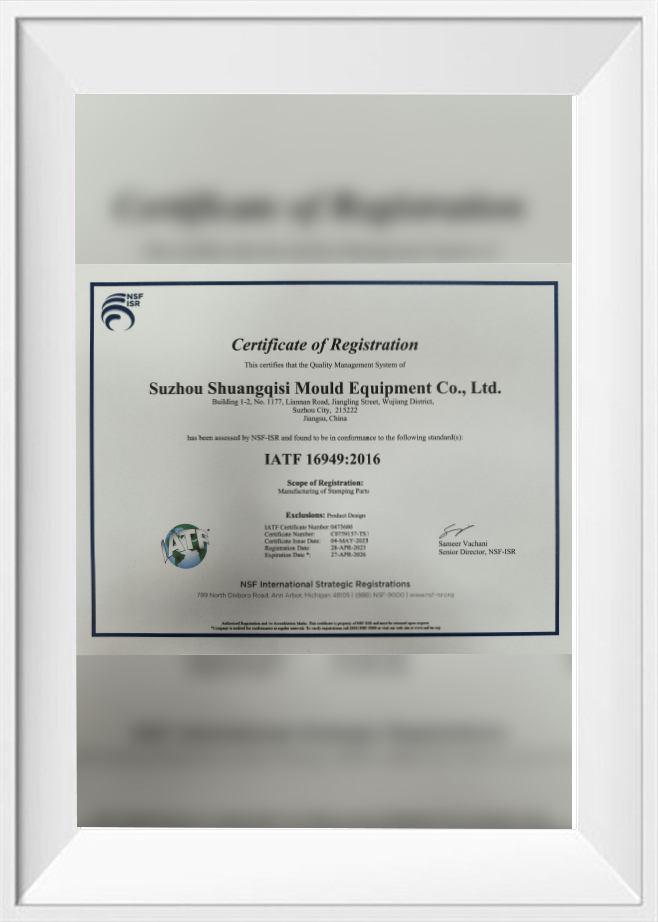
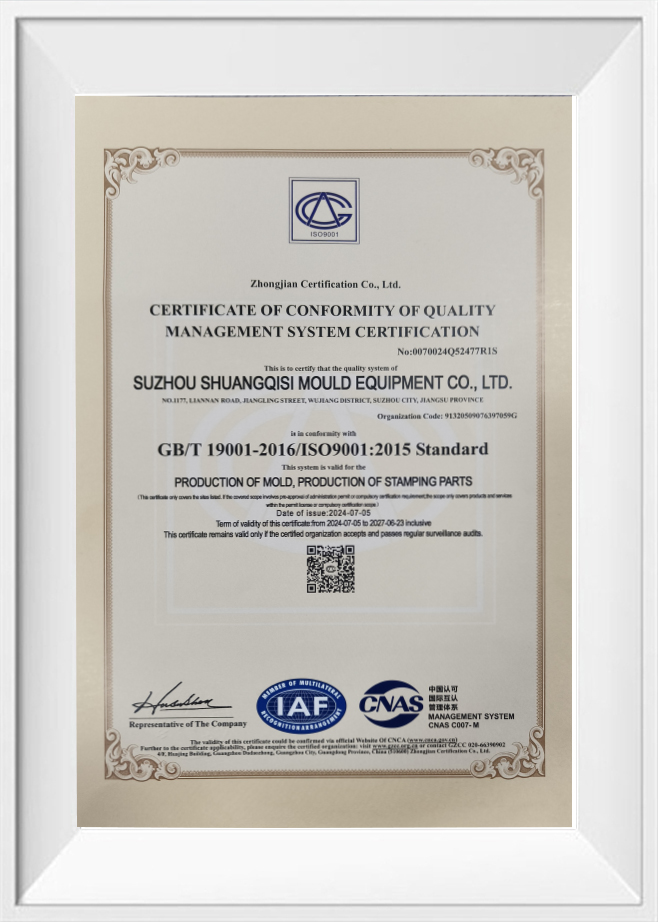
Sijil Kepujian
Berita
-
-
Mengapa Jurang Antara Dies Tradisional dan Dioptimumkan Simulasi Penting Sekarang Stamping automotif mati sentiasa menjadi antara pelaburan perkakas yang paling menuntu...
READ MORE -
Apakah Gred AHSS Sebenarnya Digunakan Bahagian Setem Automotif Keluli berkekuatan tinggi termaju bukanlah satu bahan tetapi satu keluarga sistem aloi yang berbeza, seti...
READ MORE -
Jurang Fungsian yang Mendorong Perbezaan Toleransi Keperluan toleransi mana-mana die stamping akhirnya diperoleh daripada apa yang bahagian siap mesti lakukan dalam perkhidma...
READ MORE
Industry Knowledge
Springback Compensation Techniques in Automotive Stamping Dies for High-Strength Materials
Springback control has become one of the most critical challenges in Automotive Stamping Dies, especially with the increasing use of high-strength steel and lightweight alloys in new energy vehicles. Unlike conventional materials, advanced high-strength steels exhibit higher yield strength and elastic recovery, making dimensional accuracy difficult to maintain after forming. Engineers often rely on simulation-driven compensation, over-bending strategies, and restrike operations to achieve final geometry requirements.
In our tooling practice, we combine forming simulation with real press debugging using our 80T–400T punch equipment to validate compensation parameters before delivery. With more than 60 skilled technicians and experienced adjustment personnel, we are able to reduce trial iterations and help customers reach mass production conditions faster.
- Use addendum surface optimization to control material flow
- Apply restrike dies for final shape correction
- Optimize blank holding force distribution
- Implement real-time measurement feedback during tryout
Material Flow Control Strategies in Drawing Dies for Complex Components
Drawing Dies require precise control of material flow to prevent wrinkles, tearing, or uneven thickness distribution, particularly for deep or asymmetrical geometries. The placement and geometry of draw beads, punch radii, and binder surfaces significantly influence the forming outcome. For components used in compressors or industrial equipment housings, even small deviations can affect assembly performance and sealing reliability.
With 15 years of mold manufacturing experience, we have accumulated practical knowledge in adjusting bead height, lubrication conditions, and forming sequences according to different material grades. Our advanced machining resources, including imported wire cutting equipment and precision grinding machines, enable us to produce highly accurate forming surfaces that improve production consistency for customers.
| Control Factor | Impact on Forming | Optimization Method |
| Draw Bead Geometry | Material flow resistance | Adjust bead height and radius |
| Binder Force | Wrinkle prevention | Pressure balancing system |
| Lubrication | Surface quality and friction | High-performance lubricants |
Failure Prevention and Tool Life Enhancement in Deep Drawing Dies
Deep Drawing Dies are subject to high cyclic loads and severe friction conditions, which can cause cracking, galling, and accelerated wear. Tool material selection, heat treatment quality, and surface finishing processes are key factors in determining die life. Polishing forming radii and applying surface coatings such as nitriding or PVD treatments can significantly reduce friction and extend operational lifespan.
Our company continuously invests in advanced machining and inspection equipment to ensure die durability and precision. We also collaborate with customers to select appropriate materials based on production volume and part complexity, helping reduce long-term maintenance costs. This customer-focused approach has enabled us to build stable partnerships across industries including automation equipment and new energy technology.
- Select high-toughness tool steels for impact resistance
- Improve surface roughness through precision grinding and polishing
- Apply wear-resistant coatings for high-friction zones
- Implement preventive maintenance schedules
Automation Integration and Production Efficiency Improvements in Automotive Stamping Dies
Modern Automotive Stamping Dies increasingly operate within automated production lines that include robotic handling, transfer systems, and real-time monitoring technologies. Automation not only improves production speed but also enhances consistency, reduces labor costs, and enables traceability. Integration between die design and automation equipment is therefore becoming a key competitive factor for manufacturers.
Since 2016, we have invested in an affiliated intelligent technology company specializing in stamping automation equipment, allowing us to provide turnkey solutions that combine dies, automation systems, and production equipment. This integrated capability enables customers to shorten project cycles and achieve faster return on investment while maintaining high-quality production standards.
With strong technical teams, extensive machining capacity, and years of project experience, we focus on creating value-driven solutions tailored to customer requirements. By aligning tooling design with automation strategy, manufacturers can achieve sustainable efficiency improvements in Automotive Stamping Dies, Drawing Dies, and Deep Drawing Dies applications.
Mulakan Perniagaan Anda dengan Pengeluar OEM Di Sini!

Menyediakan pelanggan global dengan penyelesaian kunci yang lengkap
melalui
inovasi!
PAUTAN CEPAT
BERITA
MAKLUMAT HUBUNGI.
-
 +86-139 1308 8972
 -

-
 No. 118 Yexin Road, Zon Pembangunan Ekonomi Wujiang, Suzhou, China
Hak Cipta © Suzhou Shuangqisi Mould Equipment Co., Ltd. Hak Cipta Terpelihara.
